Tips & Tutorials | May 27, 2026
Alternate Guitar Tunings for Beginners: Easy Ways to Unlock New Sounds
How to start using Drop D, open tunings, and DADGAD to expand your playing and creativity.
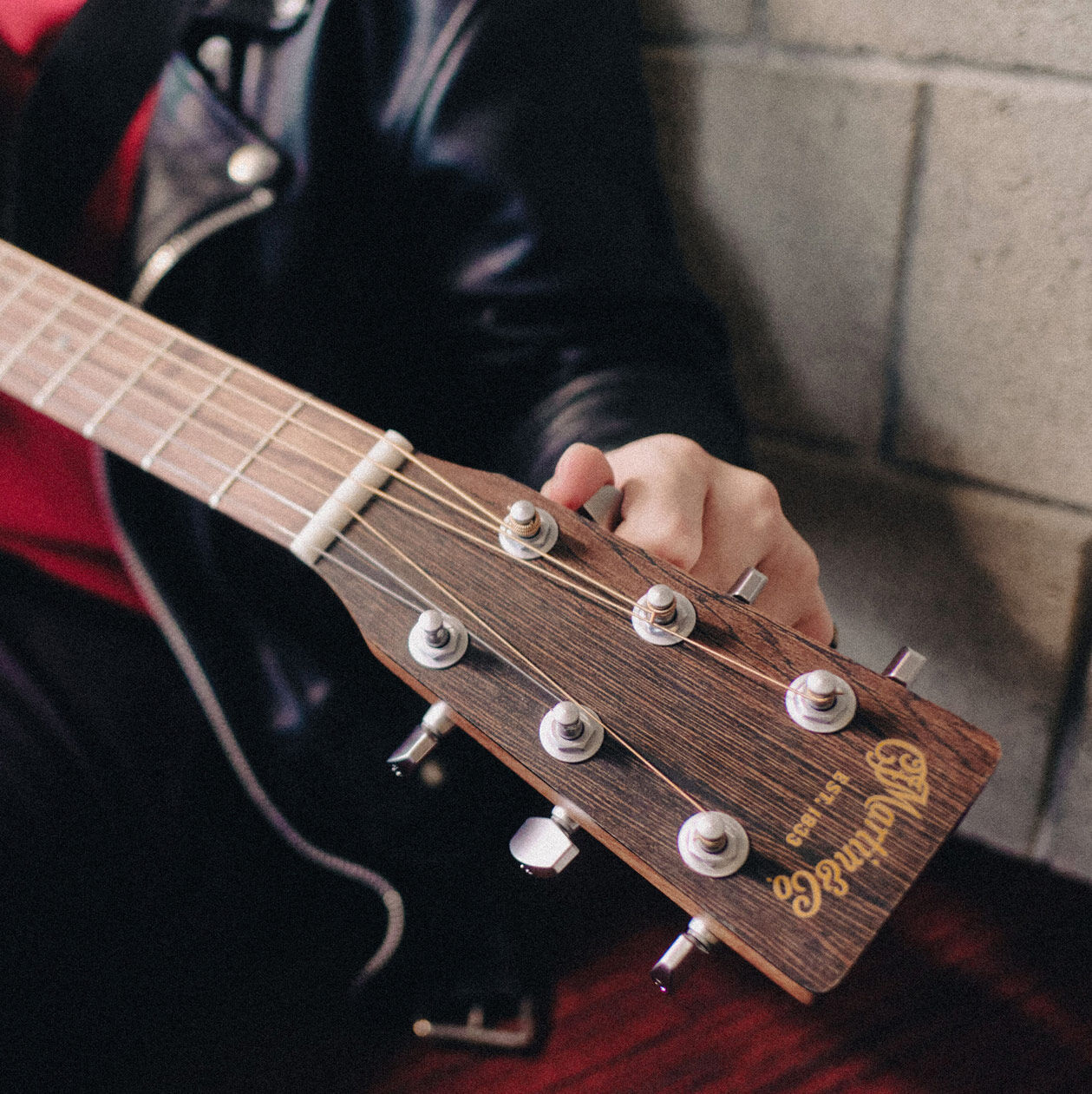
If you’ve been playing in standard tuning for a while, you might feel like you’re starting to hit familiar patterns over and over again. That’s exactly where alternate tunings come in.
Alternate guitar tunings are one of the easiest ways to unlock new sounds without learning entirely new techniques. With just a few small adjustments, your guitar can feel bigger, more expressive, and full of fresh ideas.
This beginner-friendly guide walks you through three of the most popular starting points:
- Drop D tuning
- Open tunings
- DADGAD tuning
Along the way, you’ll learn how to use them, why they work, and how to start experimenting right away—with a bonus capo trick that gives you a whole new sound without touching the tuning pegs.
What Are Alternate Guitar Tunings?
Alternate tunings simply mean changing the pitch of one or more strings from standard tuning (E-A-D-G-B-E).
The result?
- New chord voicings
- Easier finger placement
- Richer, more resonant sounds
- A completely different creative perspective
Instead of thinking of the guitar as a fixed system, alternate tunings let you reshape it—and that’s where things get interesting.

Drop D Tuning (The Easiest Place to Start)
Drop D tuning:
D–A–D–G–B–E
To get there, all you do is lower your low E string down one whole step to D.
That’s it.
Why Drop D Works for Beginners
- It keeps most of your guitar the same
- It adds a deeper, fuller low end
- It makes power chords easier—often with just one finger
Right away, your guitar feels bigger and more powerful, even with simple shapes.
What to Try First
- Strum your normal chords and notice the added low-end depth
- Play one-finger power chords on the lowest three strings
- Write a simple riff using the open low D, former E, string
If you’re brand new to alternate tunings, this is the best place to start.

Open Tunings (Instant Chords, Big Sound)
Open tunings are designed so that strumming all the open strings creates a full chord.
Common examples:
- Open D: D–A–D–F#–A–D
- Open G: D–G–D–G–B–D
Why Open Tunings Are So Fun
- You can play full chords with one finger (or none)
- They’re perfect for slide guitar
- They naturally sound full, resonant, and musical
What to Try First
- Strum all open strings—listen to the chord ring out
- Bar one finger across a fret to move the chord up the neck
- Experiment with simple melodies on top of the open strings
Open tunings are great when you want instant inspiration without overthinking technique.

DADGAD Tuning (Atmosphere & Texture)
DADGAD tuning:
D–A–D–G–A–D
This tuning is especially popular in folk, acoustic, and Celtic-inspired music.
What Makes DADGAD Unique
- It creates a drone-like, open sound
- It avoids major/minor definition, giving you more tonal freedom
- It’s ideal for fingerstyle and layered textures
What to Try First
- Let open strings ring while you move single notes
- Build simple patterns using just one or two fingers
- Focus on sound and texture instead of chord names
DADGAD encourages you to listen more and think less, which is exactly what makes it so powerful.

A Simple Trick: “Drop E” Using a Capo
Here’s a creative trick you can try—without changing your tuning at all:
- Stay in standard tuning (E–A–D–G–B–E)
- Place a capo on the 2nd fret—but only across the top five strings
Now, when you play a familiar D chord shape, you’re actually hearing an E major chord, while the low E string stays open as a powerful pedal note.
Why It’s Useful
- You can play your familiar open chord shapes without retuning
- You still get the depth and power of a droning low string
- It creates an alternate tuning feel using just a capo
- It’s a great way to explore new sounds without touching the tuning pegs
You can even take this further by adding a second capo higher up the neck to shift keys while keeping that same open, droning effect.
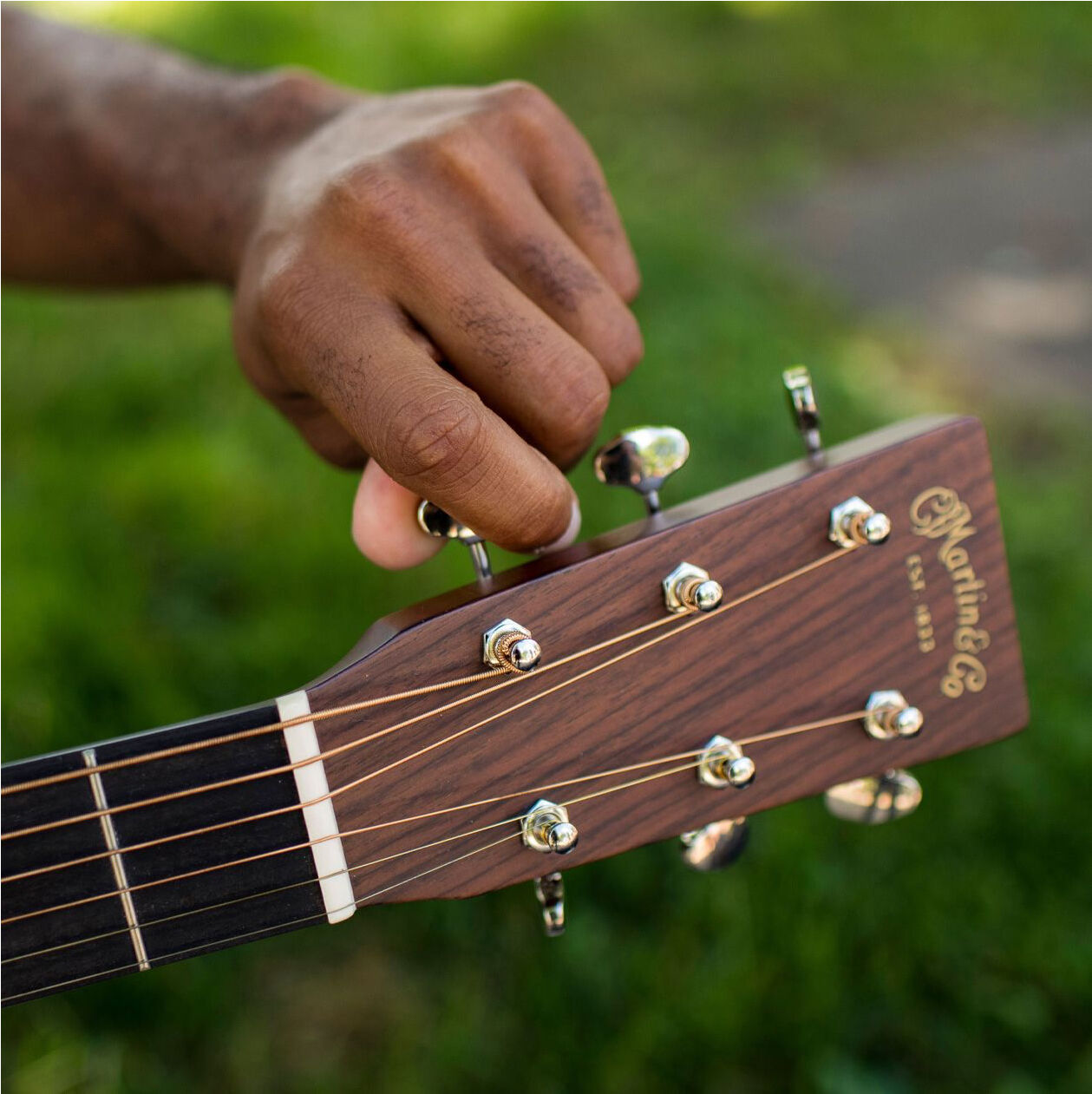
How to Practice Alternate Tunings (Without Getting Stuck)
When you first explore alternate tunings, it’s easy to fall back on familiar chord shapes. Try a different approach:
- Let the Tuning Lead: Don’t force standard chords into a new system. Instead, play and listen first.
- Move One Finger at a Time: Small changes can create entirely new sounds. Some of the most interesting chords come from simple movement.
- Use Loops: Record a short progression and play over it. This helps you discover textures you wouldn’t normally find.
- Focus on Sound, Not Theory: Especially in tunings like DADGAD, your ear matters more than labels.
Start Simple—Then Explore
Alternate tunings aren’t about complexity—they’re about changing perspective.
Start with Drop D.
Experiment with open tunings.
Explore the atmosphere of DADGAD.
The goal isn’t to master them all at once—it’s to discover new sounds and ideas you wouldn’t find any other way.
And once you start hearing your guitar differently, it’s hard to go back.

Why Your Guitar Setup Matters
When you’re switching between tunings, having a guitar that feels easy to play makes a big difference.
- A comfortable neck profile and taper makes experimentation easier
- Smooth tuning machines help you move quickly between tunings
- Balanced tone helps each string respond clearly
- Proper setup—like dialed-in action and the right string gauge—helps maintain feel and tuning stability, even when you’re detuning or exploring new voicings
If your guitar isn’t quite responding the way you want in alternate tunings, connecting with a local Martin dealer or authorized service center can make all the difference—helping ensure your setup, playability, and tuning stability are dialed in so you can focus on exploring new sounds.
Frequently Asked Questions
What is the easiest alternate tuning for beginners?
Drop D—it only changes one string and keeps everything else familiar.
Do alternate tunings damage your guitar?
No, as long as you’re making standard pitch adjustments (like tuning down or slightly up within normal range).
Do I need new chord shapes?
Sometimes—but many tunings (like Drop D) let you reuse familiar shapes while adding new possibilities.

Find Your Sound with Martin
Exploring alternate tunings is all about discovery—and having the right guitar makes that process feel natural instead of frustrating. That’s where Martin comes in.
For nearly two centuries, Martin Guitar has built instruments that respond to the way players actually play—dynamic, expressive, and ready to adapt. Whether you’re dropping into Drop D, exploring open tunings, or getting lost in the textures of DADGAD, a well-built acoustic helps every note ring clearly and consistently.
Martin guitars are designed with that kind of responsiveness in mind. Balanced tone across all six strings means alternate tunings don’t feel uneven or muddy. Comfortable neck profiles make it easier to try new shapes without fighting the instrument. And stable, precise tuning machines help you move between tunings quickly, so you can stay in the creative flow instead of constantly readjusting.
More than anything, a great guitar should invite you to explore. It should make you want to pick it up, try something new, and see where it leads.
That’s exactly what alternate tunings are about—and exactly what Martin guitars are built to support.
So tune down, open things up, and follow the sound wherever it takes you.
And don’t forget—you’ll need a reliable tuner, too.
Until next time, happy playing!